
The short answer: it depends on what you’re planting. The longer answer is worth understanding, because it’ll save you money, frustration, and the particular sting of losing something you were excited about.
Know Your Hardiness Zone First
Chester County sits in USDA Hardiness Zones 6b and 7a, depending on where exactly you are. West Chester and surrounding areas like Downingtown, Exton, and Malvern fall mostly in Zone 6b, which means average winter lows between -5°F and 0°F. A handful of lower-elevation spots near the state line creep into 7a.
Why does this matter? Your hardiness zone tells you what will survive winter in the ground. For perennials, trees, and shrubs, it’s the most important number you’ll reference. For annuals and warm-season plants, it mainly shapes your growing window, which is the stretch of days between the last spring frost and the first fall frost.
Know Your Last Frost Date
In Chester County, the average last frost date falls between April 15 and May 1. That window moves a bit depending on microclimates; properties near the Brandywine often warm a little earlier, while north-facing slopes or low-lying areas can stay cold longer.
The last frost date is a historical average. If you’re someone who can shrug off losing a dozen impatiens because you pushed the calendar, plant away in mid-April. But generally, waiting until after May 1 is the safer call.
A Practical Planting Timeline for Chester County
Early Spring (Late February–March): Cool-Season Plants and Trees
Dormant plantings (trees, shrubs, and bare-root perennials) can go in as soon as the ground is workable, often late February or March. The soil is still cold, but the plants are dormant and won’t be stressed by low temperatures. Getting them established before the summer heat arrives helps give them a head start.
What thrives with an early start:
- Deciduous trees and shrubs (before buds break)
- Cool-season perennials like hellebores, bleeding heart, and hostas
- Ornamental grasses (before they flush out)
- Spring bulbs (if you missed fall, forced bulbs planted in pots can still deliver color)
Mid-Spring (April–Early May): The Transition Window
This is Chester County’s most active planting stretch. Containerized shrubs and perennials are hitting garden centers. The soil is warming. The days are longer. But April is also when a late frost can still catch you off guard.
What you can plant in April:
- Hardy perennials like coneflowers (echinacea), black-eyed Susans, daylilies, and salvia
- Shrubs like azaleas, forsythia, and viburnum
- Pansies and snapdragons (frost-tolerant annuals)
- Containerized trees and evergreens
Hold off on frost-sensitive annuals—impatiens, petunias, begonias, and the like—until you’re comfortably past May 1. One cold night can set them back enough that they won’t recover well.
Late Spring (Mid-May Onward): All Clear for Warm-Season Color
By mid-May in Chester County, frost risk is largely behind you, and soil temperatures have climbed enough to support warm-season annuals, tropicals, and tender perennials. This is the sweet spot for filling out beds, planters, and containers.
The late-spring planting list:
- Annuals like impatiens, begonias, petunias, zinnias, marigolds, and lantana.
- Tropicals and tender perennials like caladiums, elephant ears, and cannas.
- Summer-blooming shrubs like panicle hydrangeas and butterfly bush.
- Groundcovers and native plantings, which establish well in spring’s warm-but-not-hot days.
Planting Well Starts With Spring Cleanup
The best planting day is wasted in a bed that hasn’t been properly prepped. Spring cleanup removes overwintering pests and disease, improves drainage, and gives new plants room to take hold.
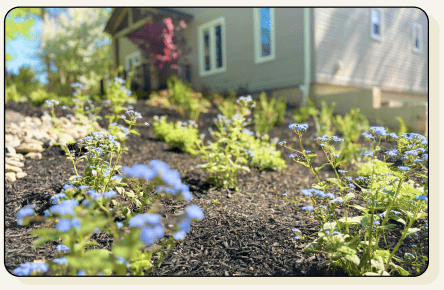
Mulch is worth special attention. A 2–3 inch layer holds soil moisture during dry stretches, moderates temperature swings during those tricky April nights, and breaks down over time to feed your soil. It’s one of the simplest things you can do to protect a planting investment.
What If Your Schedule Is Already Full?
Spring is short, and the window between “too cold” and “too hot and dry” in southeastern Pennsylvania can close fast. For homeowners and business families who don’t have the time to be watching soil temps and keeping an eye on the forecast, having someone handle cleanup and planting can be a huge relief.
If your spring to-do list is already longer than your hours, Clean Peak’s team can handle cleanup and planting from start to finish so your property looks the way you want it without eating into your week. Reach out for a free estimate.
