
There’s a particular kind of frustration that comes with Chester County deer. You spend a weekend planting a row of hostas or a cluster of tulips, step back to admire your work, and wake up three days later to nothing but stubs. If you’ve lived here long enough, you know the feeling.
You don’t have to choose between a lush, layered landscape and the local wildlife. Chester County’s soil and climate support a wide variety of plants that deer find unappetizing, and many of them are genuinely stunning. Here are some of our favorites.
Shrubs
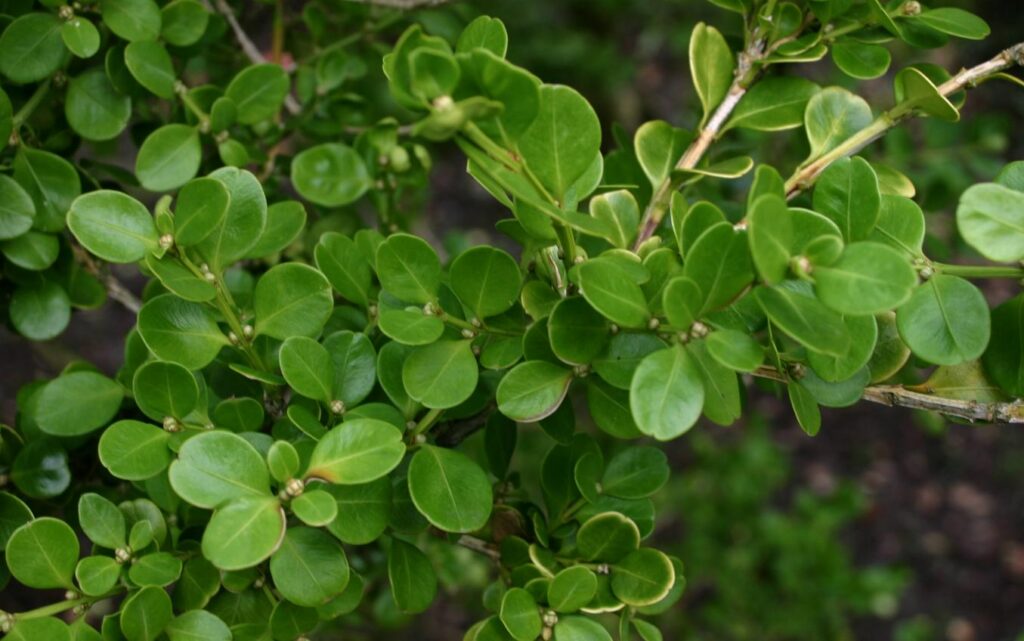
Boxwood (Buxus)
A Chester County classic for good reason. Deer tend to avoid the bitter taste, and boxwood’s dense, evergreen structure gives any bed a sense of permanence and polish. Works beautifully as a border, a foundation planting, or clipped into a more formal shape.
By Sten Porse – Own work, CC BY-SA 3.0, https://commons.wikimedia.org/w/index.php?curid=302339
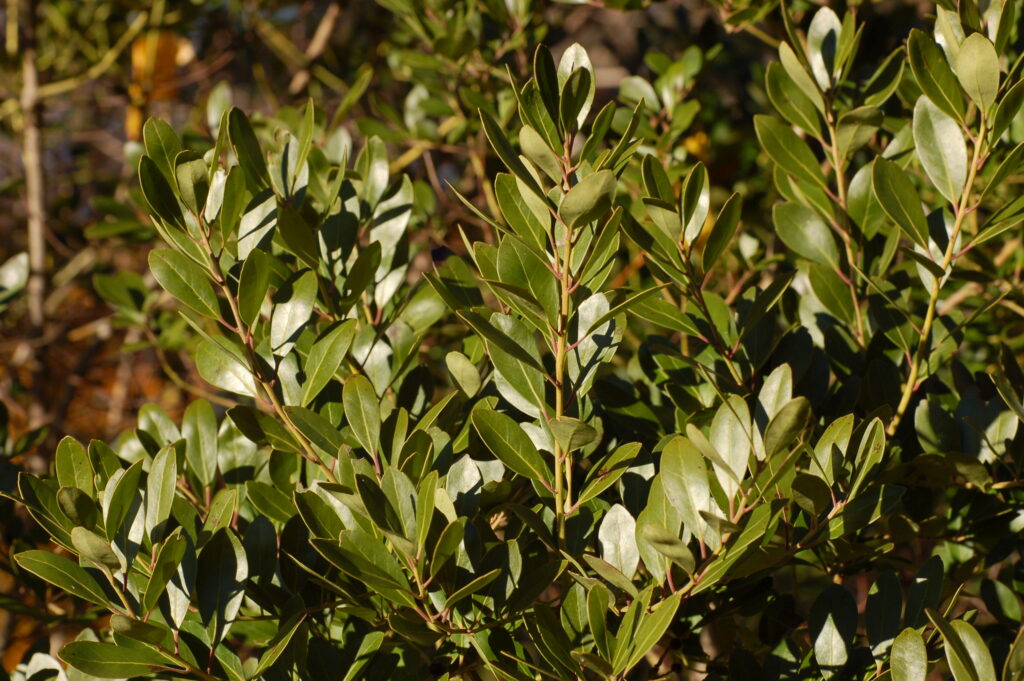
Inkberry Holly (Ilex glabra)
Native to the region, low-maintenance, and happy in wet spots where other shrubs struggle. Deer steer clear of the waxy leaves. Birds, on the other hand, love the dark berries, so it earns its keep in all seasons.
By Photo (c)2007 Derek Ramsey (Ram-Man) – Self-photographed, GFDL 1.2, https://commons.wikimedia.org/w/index.php?curid=3140233
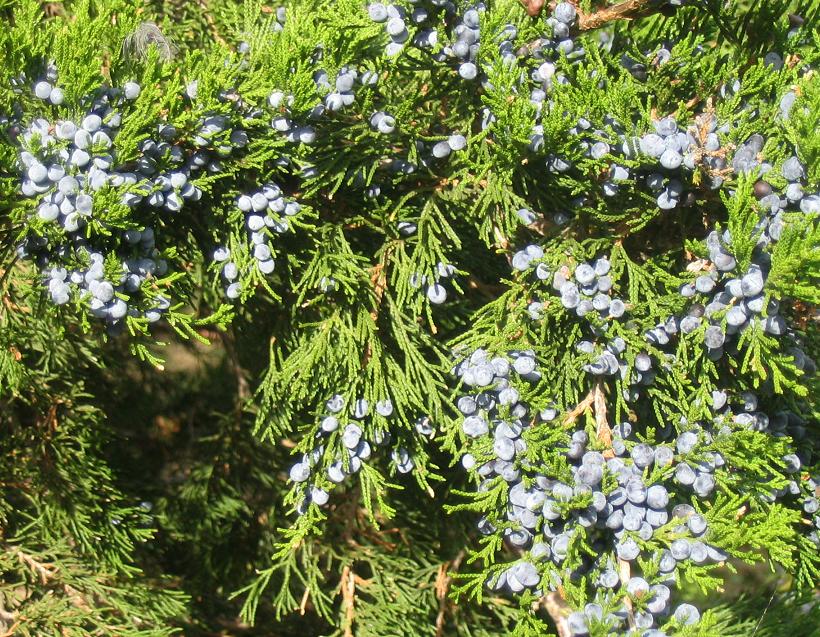
Juniper (Juniperus)
One of the more versatile deer-resistant plants on this list. Junipers range from low, spreading ground covers to upright columnar forms that work as screens or vertical accents. The prickly texture and strong scent keep deer away, and the blue-green foliage holds its color through Chester County winters. Varieties like Blue Rug, Skyrocket, and Sea Green each fill a different role in the landscape, so there’s likely one that fits what you’re working with.
By Quadell, CC BY-SA 3.0, https://commons.wikimedia.org/w/index.php?curid=1685290
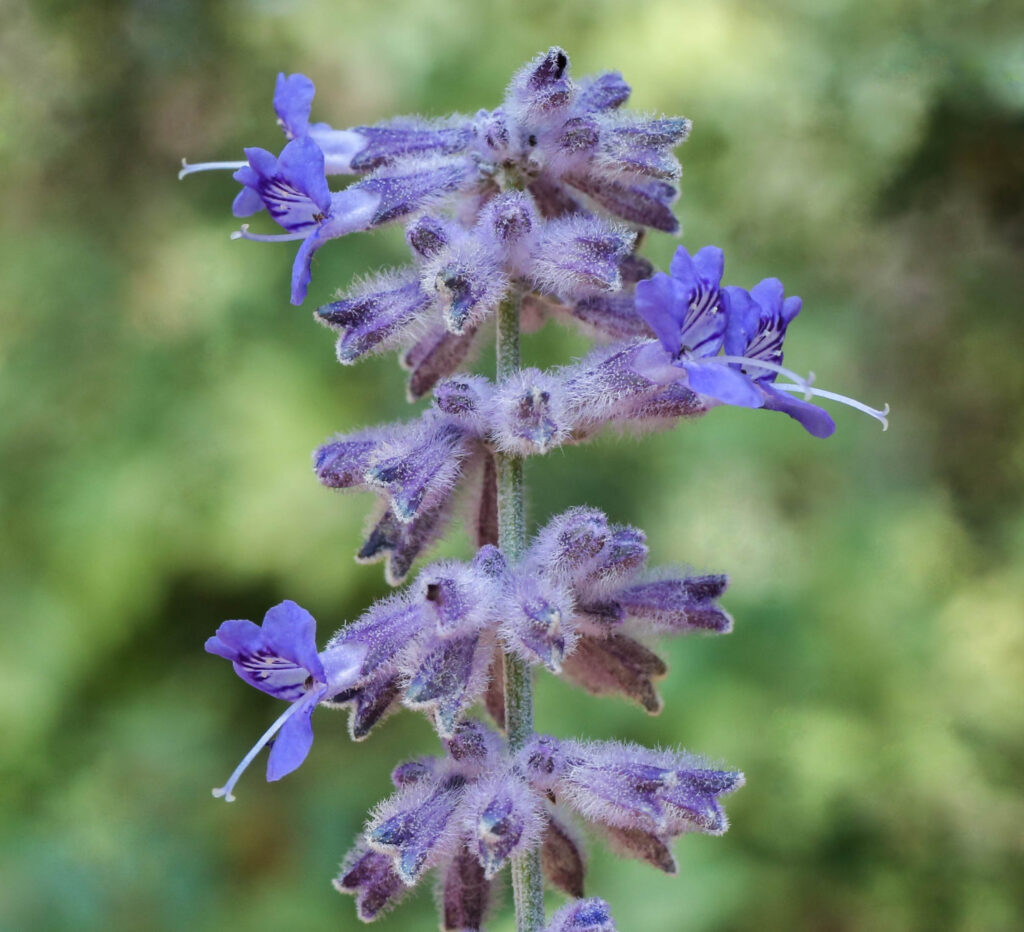
Russian Sage (Salvia yangii)
Technically a sub-shrub and formerly known as Perovskia atriplicifolia. The silvery stems and violet-blue flower spikes run from midsummer into fall, and the aromatic foliage is the reason deer don’t bother with it. Drought-tolerant once established, and wildly beautiful in a mixed border.
By Rationalobserver – Own work, CC BY-SA 4.0, https://commons.wikimedia.org/w/index.php?curid=42529667
Spirea (Spiraea)
A family of plants that’s also called meadowsweet. Fast-growing, adaptable, and covered in blooms in late spring. Deer leave it alone, and the varieties with gold or burgundy foliage add color long before and after the flowers arrive. Species native to our area include S. alba, S. tomentosa, and S. virginiana.
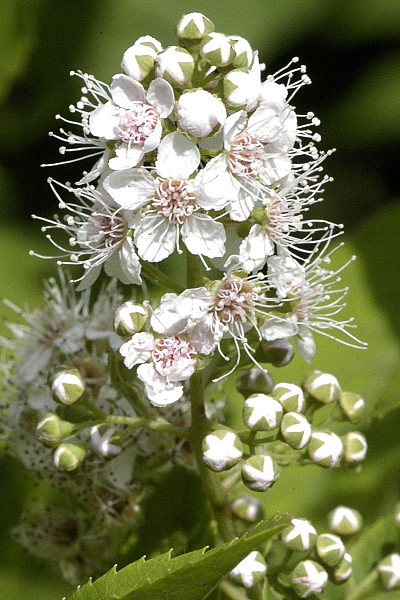
By James Lindsey at Ecology of Commanster, CC BY-SA 3.0, https://commons.wikimedia.org/w/index.php?curid=7207495
Perennials
Catmint (Nepeta)
One of the most reliable deer-resistant perennials in the mid-Atlantic. Lavender-blue flowers from May through frost, low-water needs, and a soft, billowing habit that softens edges and hard lines. It also makes a great filler between other plants. If you have cats, this will become their favorite part of the garden!
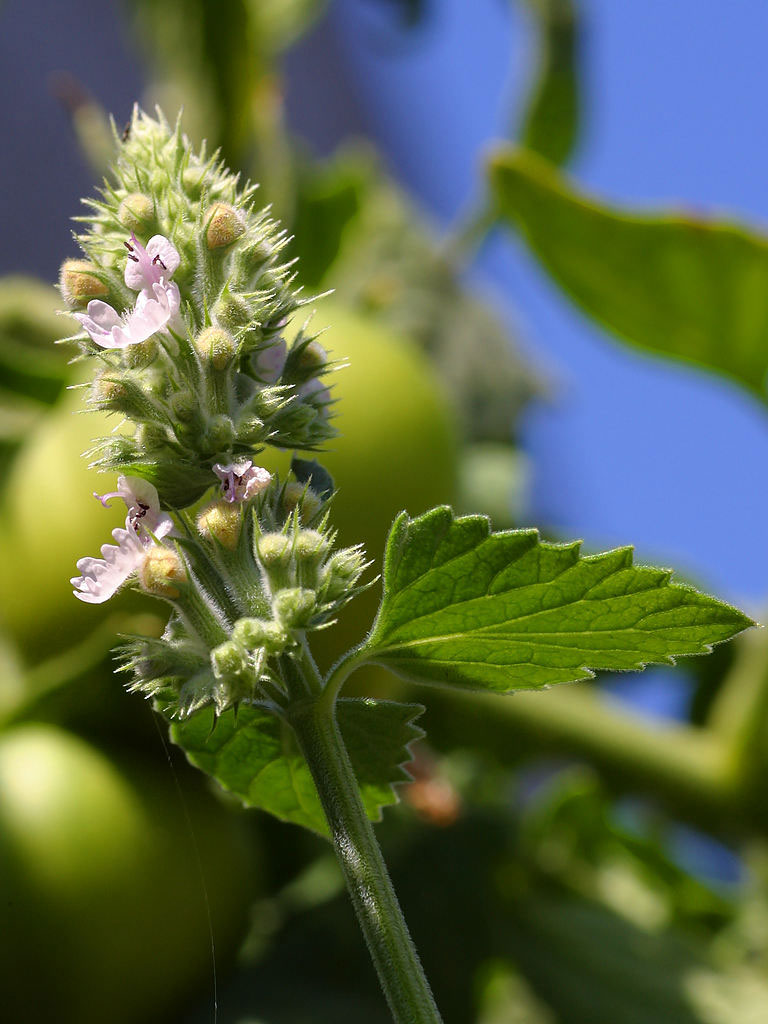
By Jon Sullivan – http://pdphoto.org/PictureDetail.php?mat=pdef&pg=8203, Public Domain, https://commons.wikimedia.org/w/index.php?curid=493751
Black-Eyed Susan (Rudbeckia hirta)
Native, pollinator-friendly, and practically indestructible. The golden blooms light up a bed from July into September. Deer dislike the rough, hairy texture of the leaves.
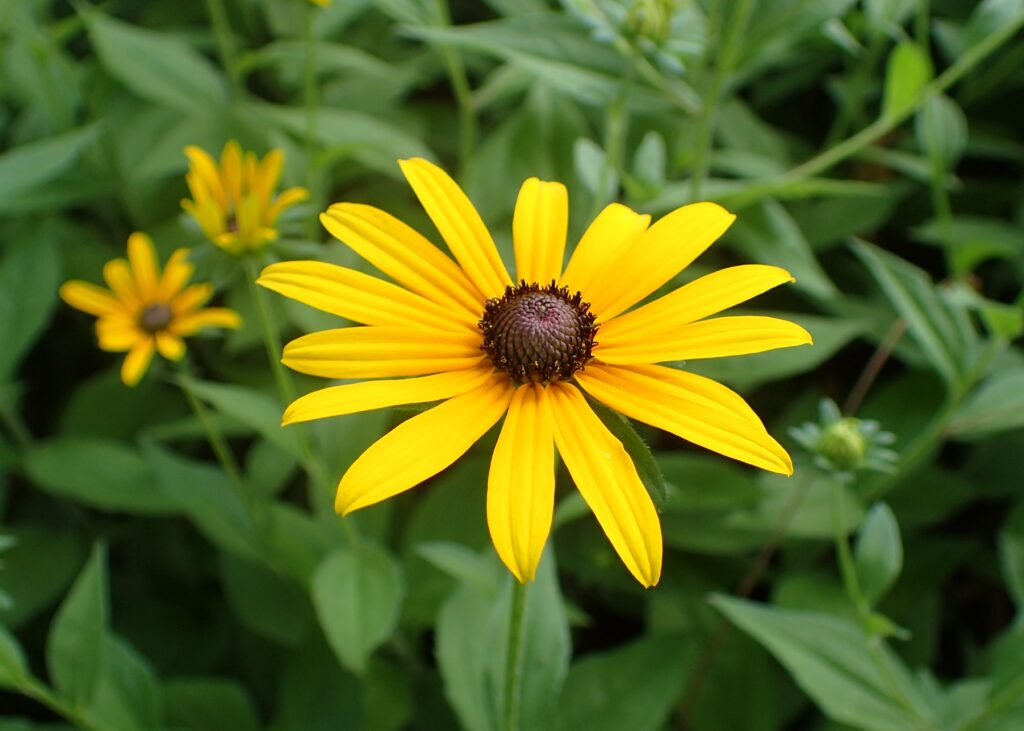
By Krzysztof Ziarnek, Kenraiz – Own work, CC BY-SA 4.0, https://commons.wikimedia.org/w/index.php?curid=104677579
Salvia (Salvia nemorosa)
The aromatic oils that make salvia smell so good to us are exactly what deer don’t like. The upright purple or blue flower spikes pair beautifully with grasses and other perennials, and deadheading after the first bloom often triggers a second flush in late summer.
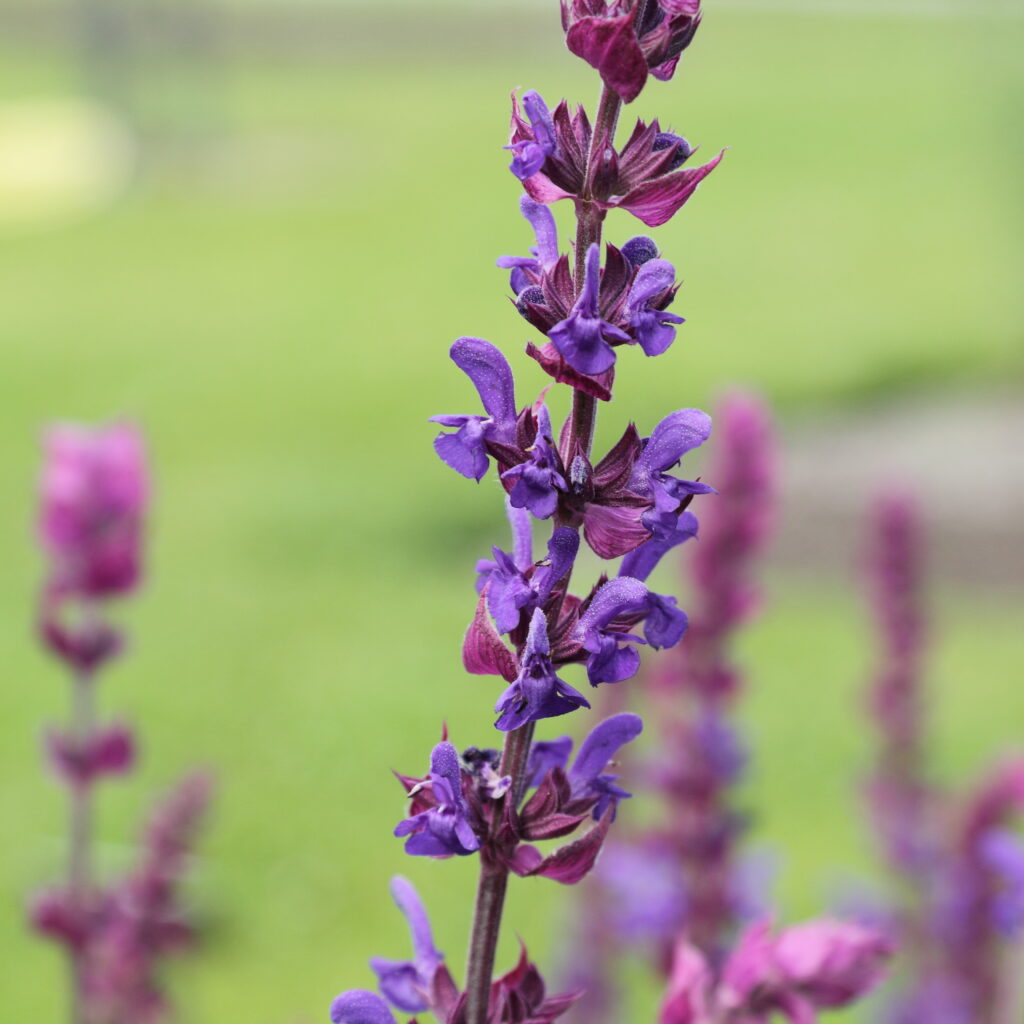
By C T Johansson – Own work, CC BY-SA 3.0, https://commons.wikimedia.org/w/index.php?curid=18570422
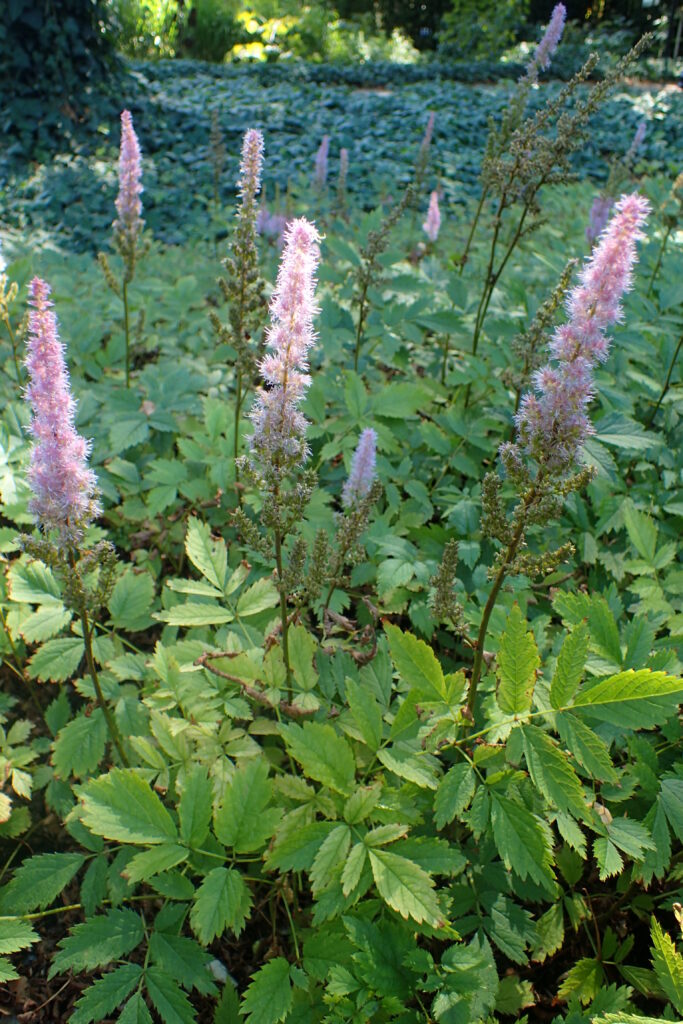
Astilbe
If you have a shaded or partly shaded spot that stays moist, astilbe earns its place. The feathery plumes in pink, white, and red add height and movement to areas where many plants struggle.
By Krzysztof Ziarnek, Kenraiz – Own work, CC BY-SA 4.0, https://commons.wikimedia.org/w/index.php?curid=53841339
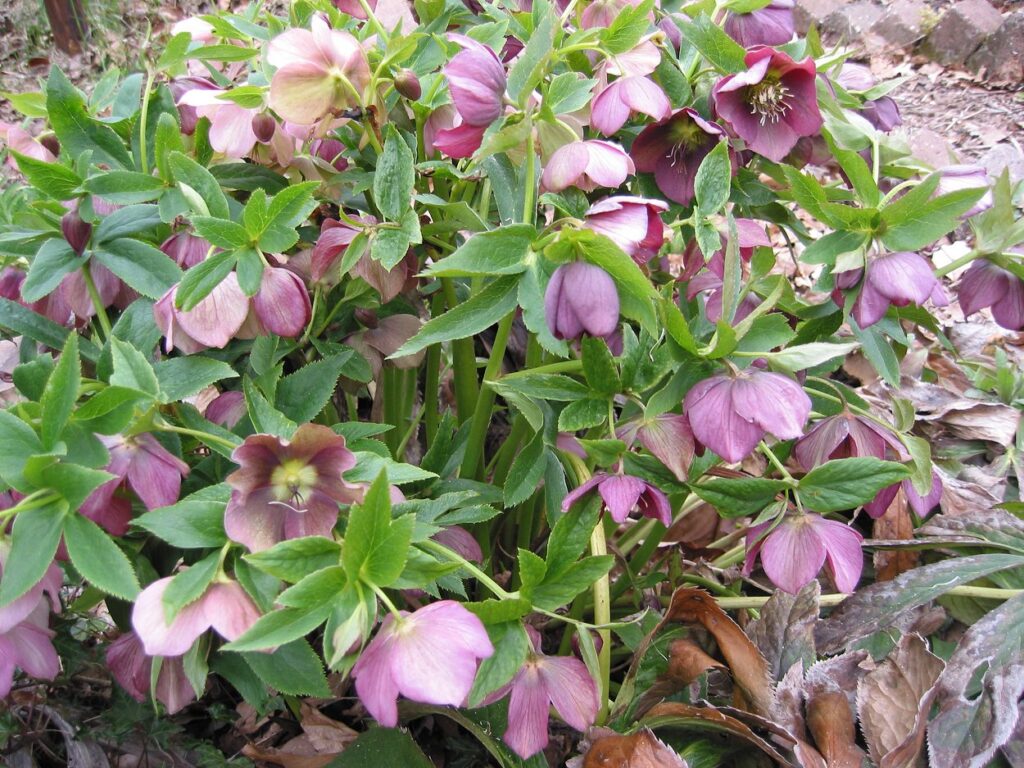
Hellebore (Lenten Rose)
One of the best plants for the shadier corners of your property. Hellebores bloom in late winter and early spring, often while snow is still on the ground, and their leathery leaves stay attractive all year. The foliage is toxic to deer, which makes them a perennial favorite for wooded yards.
CC BY-SA 3.0, https://commons.wikimedia.org/w/index.php?curid=33531
Ornamental Grasses
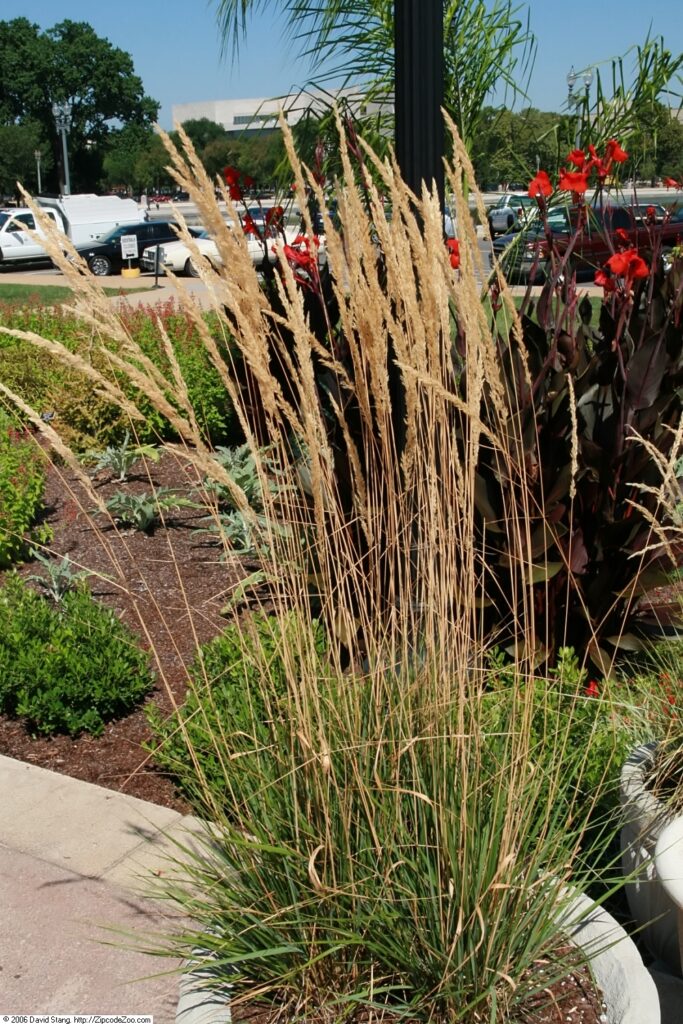
Karl Foerster Grass (Calamagrostis acutiflora)
Tall, upright, and architectural. The feathery plumes emerge in early summer and persist well into winter, providing structure and movement even after other plants have gone dormant. Deer largely ignore grasses, and Karl Foerster is one of the most dependable performers in the region.
By Photo by David J. Stang – source: David Stang. First published at ZipcodeZoo.com, CC BY-SA 4.0, https://commons.wikimedia.org/w/index.php?curid=61040761
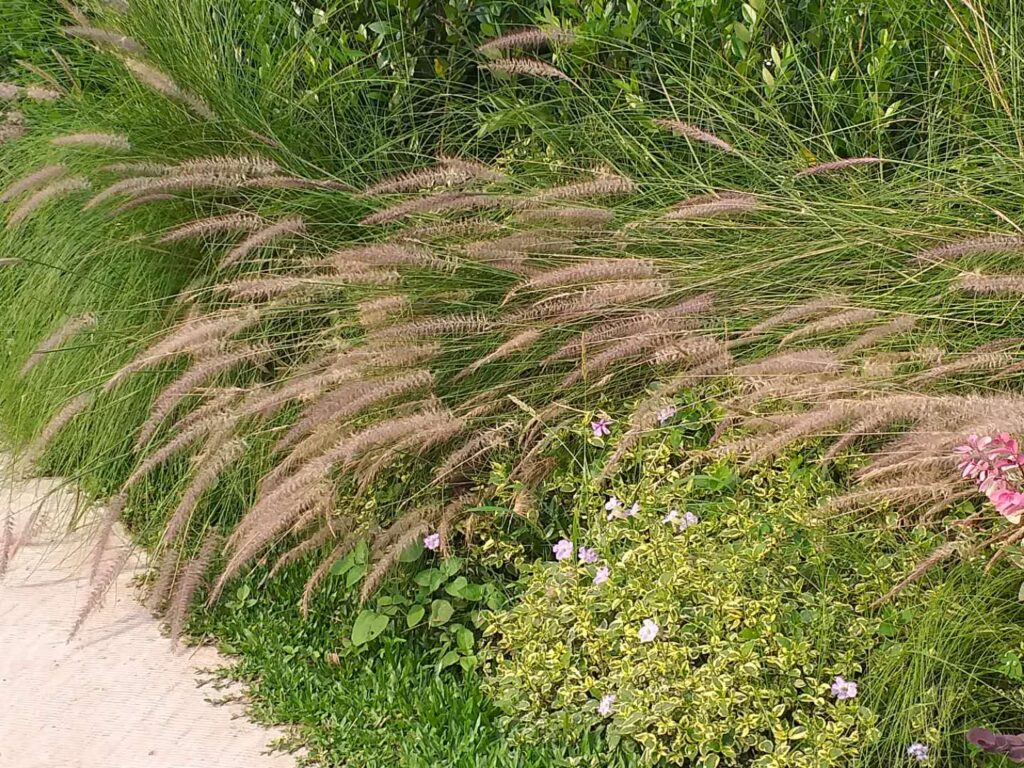
Hameln Grass (Pennisetum alopecuroides ‘Hameln’)
A compact dwarf fountain grass that stays tidy and well-behaved (around two to three feet), so it’s a natural fit for borders and beds where Karl Foerster would be too tall. The creamy white plumes arrive in late summer and age to a warm tan that carries into fall. Like most ornamental grasses, deer find it unpalatable, and it looks particularly good planted in drifts.
By Ping an Chang – Own work, CC BY-SA 4.0, https://commons.wikimedia.org/w/index.php?curid=78857143
Blue Oat Grass (Helictotrichon sempervirens)
If you want a low, mounding grass with a cool, blue-gray tone, this is the one. It stays compact (around two feet) and works as a color accent among greens and yellows. Semi-evergreen in winter.
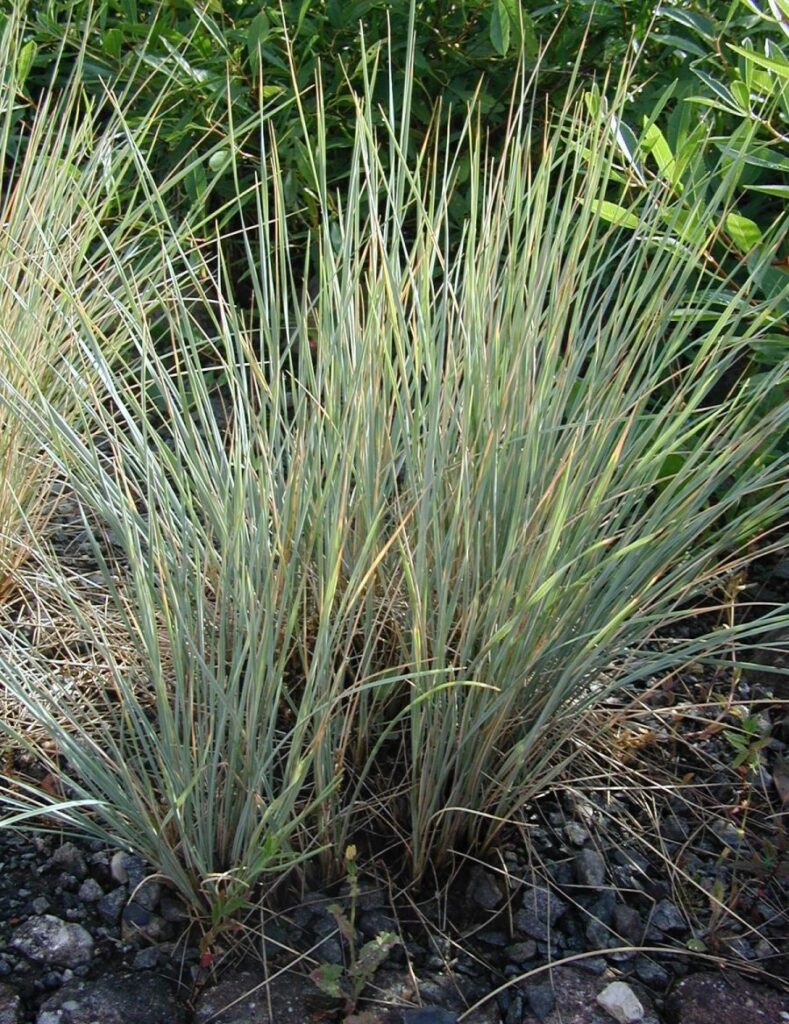
By Sten Porse – Own work, CC BY-SA 3.0, https://commons.wikimedia.org/w/index.php?curid=448692
Trees
American Holly (Ilex opaca)
A native evergreen tree that stays green through the winter and produces the red berries you picture on a December wreath. Deer may nibble young specimens, but established trees are generally left alone. Excellent for privacy and screening.
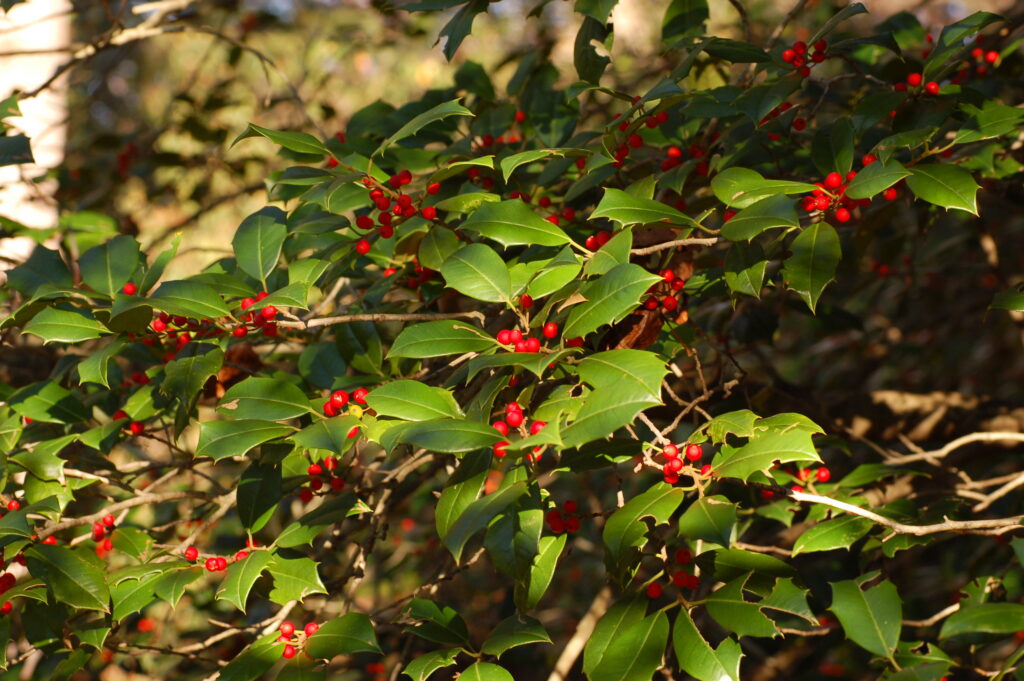
By Photo (c)2007 Derek Ramsey (Ram-Man) – Self-photographed, GFDL 1.2, https://commons.wikimedia.org/w/index.php?curid=3140483
River Birch (Betula nigra)
The peeling, cinnamon-colored bark of a river birch is one of the most distinctive things you can add to a Chester County landscape. Deer don’t find it appealing, and it tolerates the poorly draining spots near stream beds and low areas that many trees won’t tolerate.
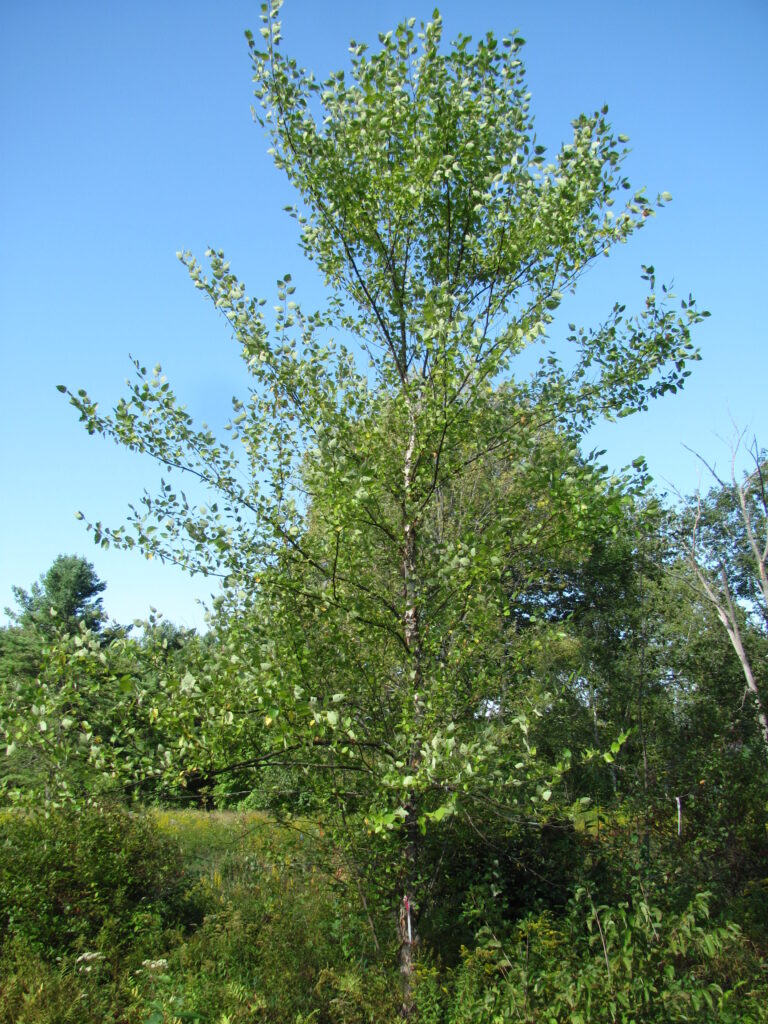
By John Phelan – Own work, CC BY 3.0, https://commons.wikimedia.org/w/index.php?curid=16460774
Norway Spruce (Picea abies)
A fast-growing evergreen that earns its place as a windbreak, privacy screen, or simply a dramatic backdrop for the rest of the landscape. The deep green needles and gracefully drooping branches give it a distinctive silhouette, and deer tend to leave established trees alone. It’s one of the better options when you need height and coverage quickly without waiting a decade for results.
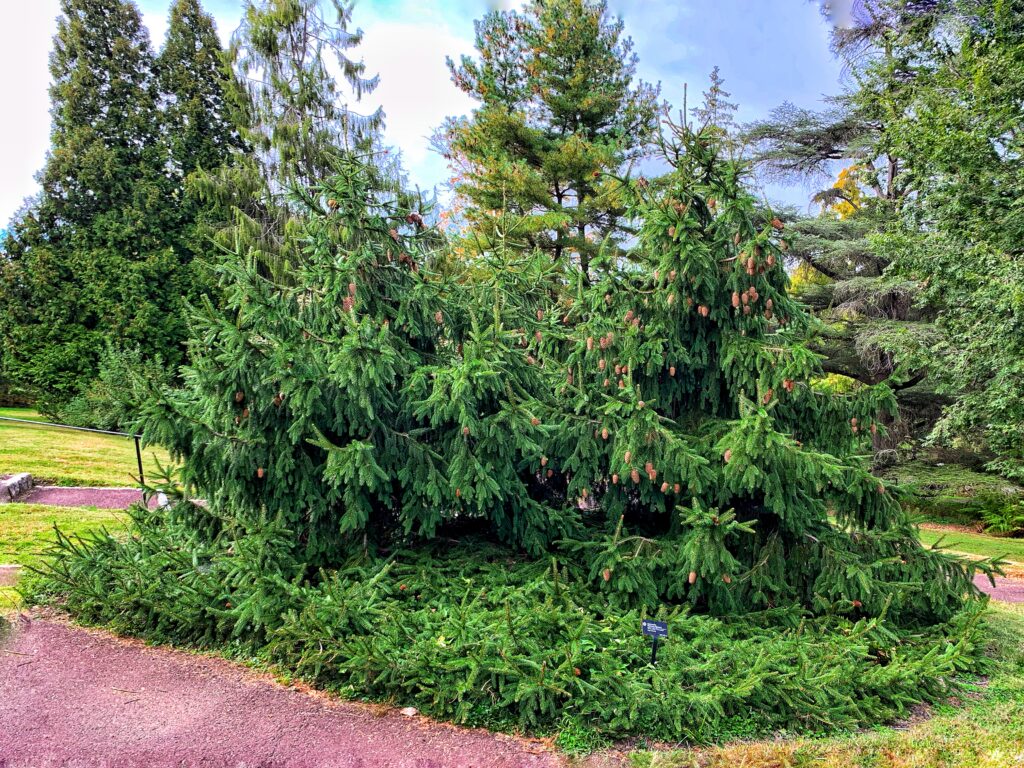
By KATHERINE WAGNER-REISS – Own work, CC BY-SA 4.0, https://commons.wikimedia.org/w/index.php?curid=99758106
Things to Keep in Mind
Be aware of rut season, which is when deer may rub trees even if they don’t want to eat them. This can still damage or kill trees even without being eaten. Deer tend to go after young trees, so consider protecting any new plantings during rut season (fall and winter) for the first few years while the trees establish.
No plant is completely deer-proof. A hungry deer in February will eat things it would otherwise avoid. What these plants offer is a meaningful reduction in the likelihood of damage, and a landscape designed around them will hold up far better than one planted with deer favorites like hostas, daylilies, and arborvitae.
Placement matters, too. A deer that’s passing through your property on its way somewhere else behaves differently from one that’s settled in and feeding regularly. If pressure in your area is high, layering deer-resistant plants together, rather than mixing them in with vulnerable ones, tends to produce better results.
Thinking About Adding New Plants This Year?
Putting the right plants in the right places takes more than a good list. Soil conditions, sun exposure, drainage, and the way plants relate to each other all shape what will actually perform well on your property.
If you’d like help planning a planting that works with your landscape (and your local deer population), we’d love to talk. Reach out to Clean Peak about our planting services, and we’ll take a look at what’s possible.
