
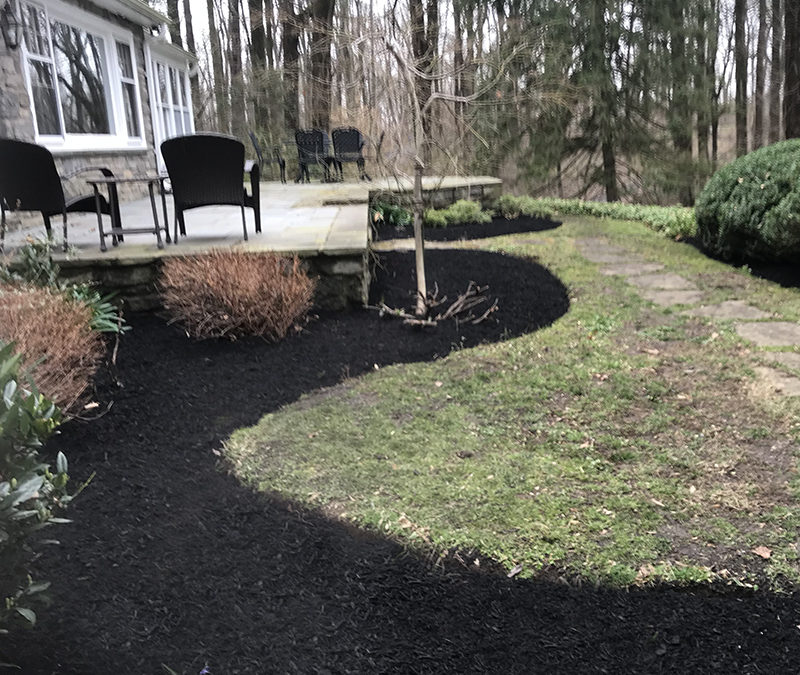
The most dependable deer-resistant shade plants are ferns, hellebores, brunnera, lungwort, bleeding heart, epimedium, and pachysandra, along with shrubs like Japanese pieris, drooping leucothoe, and Japanese plum yew. All of them rate “rarely damaged” on Rutgers Cooperative Extension’s deer resistance list.
Shady beds take a beating because several classic shade plants, including hostas, yews, and evergreen azaleas and rhododendrons, rank among the plants deer damage most. Swap those out, and a shady bed can stay full and green from spring through fall.
Why Shade Gardens Get Hit So Hard
Rutgers rates landscape plants on a four-step scale: rarely damaged, seldom severely damaged, occasionally severely damaged, and frequently severely damaged. Hostas, yews, evergreen azaleas, and evergreen rhododendrons all fall into that last group, and Rutgers recommends planting the bottom two groups only with protection, such as fencing or repellents. So a shade garden made up of the usual favorites is a buffet on a wooded lot.
No plant is deer-proof, and a hungry deer in a drought or a hard winter will eat plants it normally skips. Still, deer tend to avoid plants with aromatic foliage, tough or leathery leaves, fuzzy or prickly textures, or milky sap. That’s the common thread in the plants below.
Shade Perennials and Groundcovers Deer Rarely Damage
| Plant | What It Brings to a Shady Bed |
|---|---|
| Ferns (Christmas, hay-scented, Japanese painted, ostrich, cinnamon) | Soft, layered texture. Christmas fern stays green through winter, and Japanese painted fern adds silver and burgundy. |
| Hellebore | Nodding blooms in late winter and early spring, often before anything else in the garden |
| Brunnera | Heart-shaped leaves and airy sprays of tiny blue flowers in spring |
| Lungwort | Silver-spotted leaves and spring flowers that shift from pink to blue |
| Bleeding heart | Arching stems lined with heart-shaped pink or white flowers |
| Epimedium | Delicate spring flowers and a tolerance for dry shade under trees |
| Japanese forest grass | Arching, cascading leaves that light up a dim corner |
| Wild ginger | A low, native groundcover with heart-shaped leaves |
| Pachysandra and Allegheny spurge | Evergreen carpets for deep shade |
| Lamium and sweet woodruff | Fast-spreading groundcovers with silvery leaves or white spring flowers |
Christmas fern, hay-scented fern, cinnamon fern, and wild ginger are all Pennsylvania natives, which makes them easy picks for a woodland edge.
Deer-Resistant Shrubs for Shade
Japanese pieris, drooping leucothoe, Japanese plum yew, and Oregon grape holly all rate “rarely damaged” on the Rutgers list. Pieris is an evergreen with drooping clusters of white flowers in early spring. Leucothoe has arching evergreen branches that soften a slope or a bed edge. Japanese plum yew looks a lot like a true yew but rarely gets browsed, which makes it a natural foundation shrub on a wooded lot. If you can accept a little browsing, inkberry, clethra, spicebush, and common witch hazel rate one step lower, “seldom severely damaged.”
For sunnier beds, our deer-resistant plants guide covers shrubs, perennials, grasses, and trees.
Swap the Plants Deer Love
| Instead Of | Try | Rutgers Rating of the Original |
|---|---|---|
| Hostas | Brunnera, Japanese forest grass, or Japanese painted fern | Frequently severely damaged |
| Yews | Japanese plum yew | Frequently severely damaged |
| Evergreen azaleas and rhododendrons | Japanese pieris or drooping leucothoe | Frequently severely damaged |
| Impatiens and begonias | Lungwort or lamium for color | Occasionally severely damaged |
| Oakleaf and bigleaf hydrangeas | Clethra | Occasionally severely damaged |
If you love your rhododendrons and hydrangeas, keep them. Just plan on protecting them and plant them where deer are less likely to reach, like a bed close to the house.
Give New Plantings a Fighting Chance
Young plants are often more tempting to deer than mature ones, and University of Connecticut Extension notes that deer favor lush, well-fertilized plants. That means the first season after planting is the riskiest. Water new plants steadily so they establish quickly, and go easy on fertilizer in beds where deer travel. For anything rated “occasionally” or “frequently” damaged, a repellent or temporary fencing can help carry it through its first year.
Let’s Plan a Shade Garden That Holds Up
A shady bed can be one of the lushest spots on the property, with layers of fern fronds, silver leaves, and early flowers glowing under the trees. When we design and install plantings, we make recommendations based on sun exposure, soil, style, and how much upkeep you want. For wooded Chester County lots, that means choosing plants deer tend to leave alone. See our planting services, or try our online estimator for a ballpark. Once your beds are in, our gardening services handle the planting, pruning, and weeding that keep them full.

Frequently Asked Questions
Will deer-resistant plants ever get eaten?
Sometimes. Rutgers notes that results depend on local deer populations and the weather, and deer will try almost anything when food gets scarce. A bed planted mostly with “rarely damaged” plants should still look good after a nibble or two.
Does fertilizer make deer damage worse?
It can. University of Connecticut Extension notes that deer favor lush, well-fertilized plants and may skip them when they’re less appetizing. In beds where deer travel, feed only as much as the plants need.
