
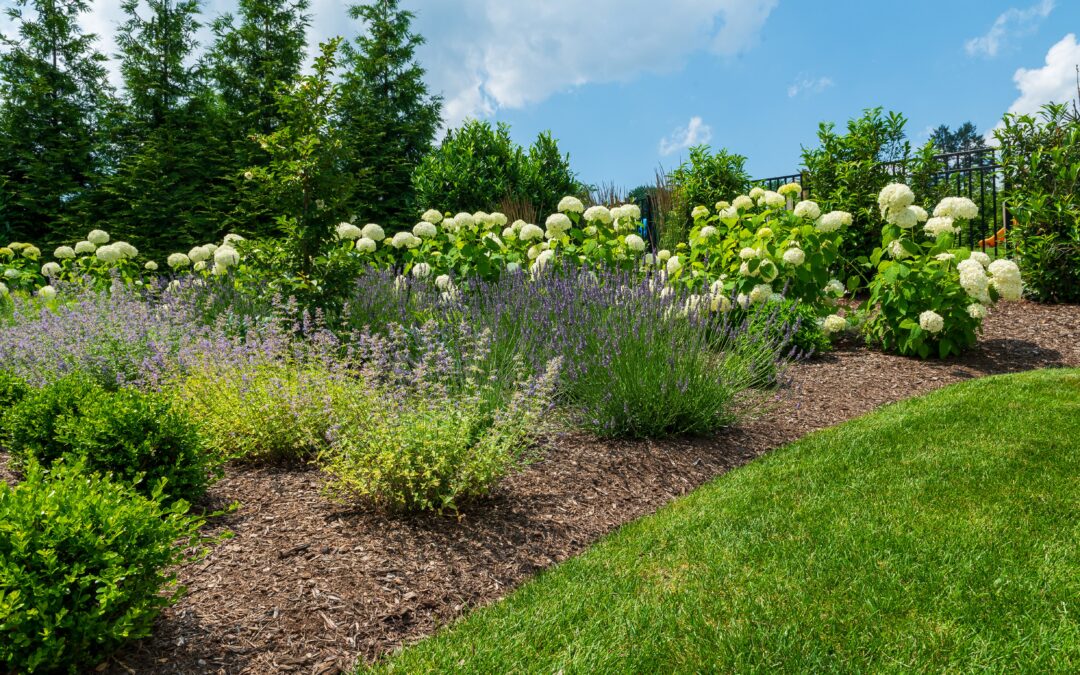
- Low-maintenance landscaping focuses on smart design choices like drought-tolerant plants, reduced turf, hardscaping, mulch, and efficient irrigation to create a high-end outdoor space that requires less time, water, and upkeep.
- With professional planning, homeowners can achieve a polished, functional landscape that boosts curb appeal, reduces long-term maintenance costs, and stays visually appealing year-round without constant work.
Everyone wants a beautiful outdoor space, but not everyone wants to spend every weekend mowing, trimming, watering, and pulling weeds. The good news is you don’t have to choose between a polished landscape and a low-maintenance lifestyle.
With the right landscape design, strategic plant selection, and smart property planning, you can create an outdoor space that looks professionally maintained without constant upkeep. Companies like Clean Peak Landscaping specialize in helping homeowners create customized, stress-free outdoor spaces that stay beautiful year-round.
If you’ve been searching for low-effort lawn care solutions that still deliver high-end results, this guide will show you how to design a landscape that works smarter, not harder.
What Is Low-Maintenance Landscaping?
Low-maintenance landscaping focuses on reducing the time, water, and ongoing work required to keep your property looking its best. That doesn’t mean your yard has to look plain or overly simple.
Instead, low-maintenance landscaping emphasizes:
- Smart landscape design
- Durable materials
- Efficient irrigation
- Strategic planting
- Long-term functionality
The goal is to create an outdoor environment that thrives with less intervention while still feeling intentional, welcoming, and professionally designed.
Traditional landscapes often require weekly mowing, frequent watering, constant pruning, seasonal replanting, and ongoing weed control. Over time, that adds up in both cost and time commitment. However, a thoughtfully designed low-maintenance landscape can help:
- Reduce lawn care demands
- Lower water usage
- Minimize seasonal upkeep
- Improve long-term property value
- Create a cleaner, more organized outdoor space
The result is a yard that feels polished and enjoyable without taking over your weekends.
Design Principles for Low-Maintenance Landscaping
1. Choose Plants That Thrive in Your Environment
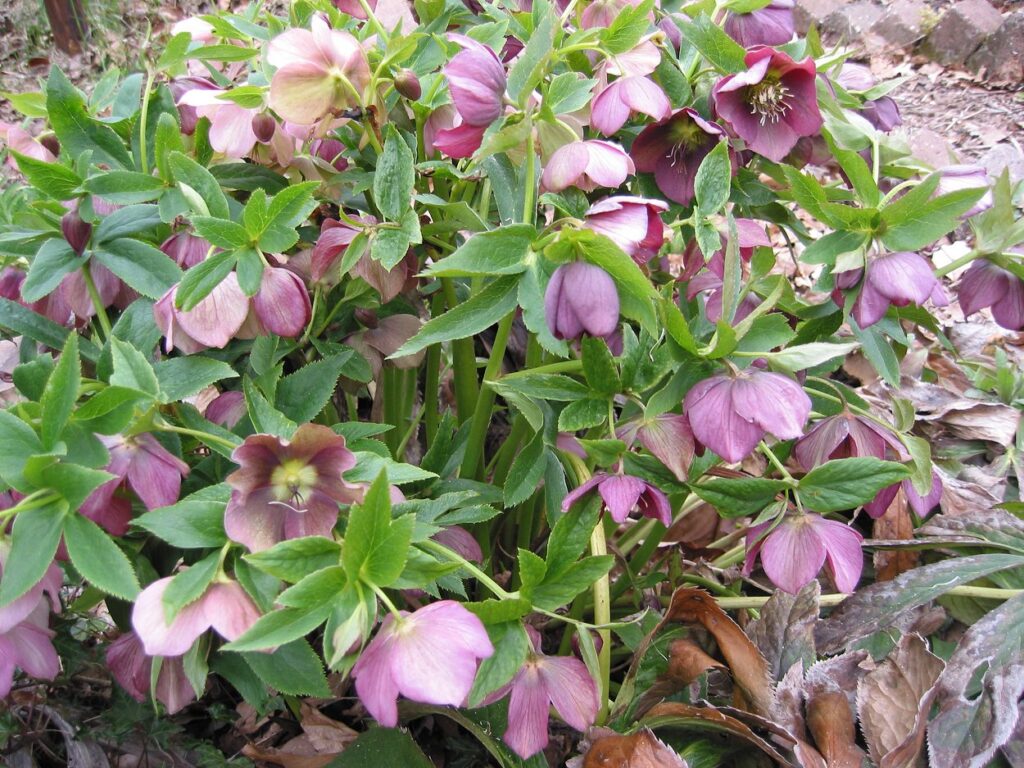
Plant selection has a major impact on long-term maintenance. Using hardy, regionally appropriate plants can reduce watering needs, minimize disease issues, and limit seasonal replacement costs. A professional landscape design team can help group plants with similar watering and maintenance needs to simplify long-term care.
Layering shrubs, ornamental grasses, perennials, and evergreen plantings also creates visual depth without adding unnecessary upkeep.
CC BY-SA 3.0, https://commons.wikimedia.org/w/index.php?curid=33531
2. Reduce Large Turf Areas
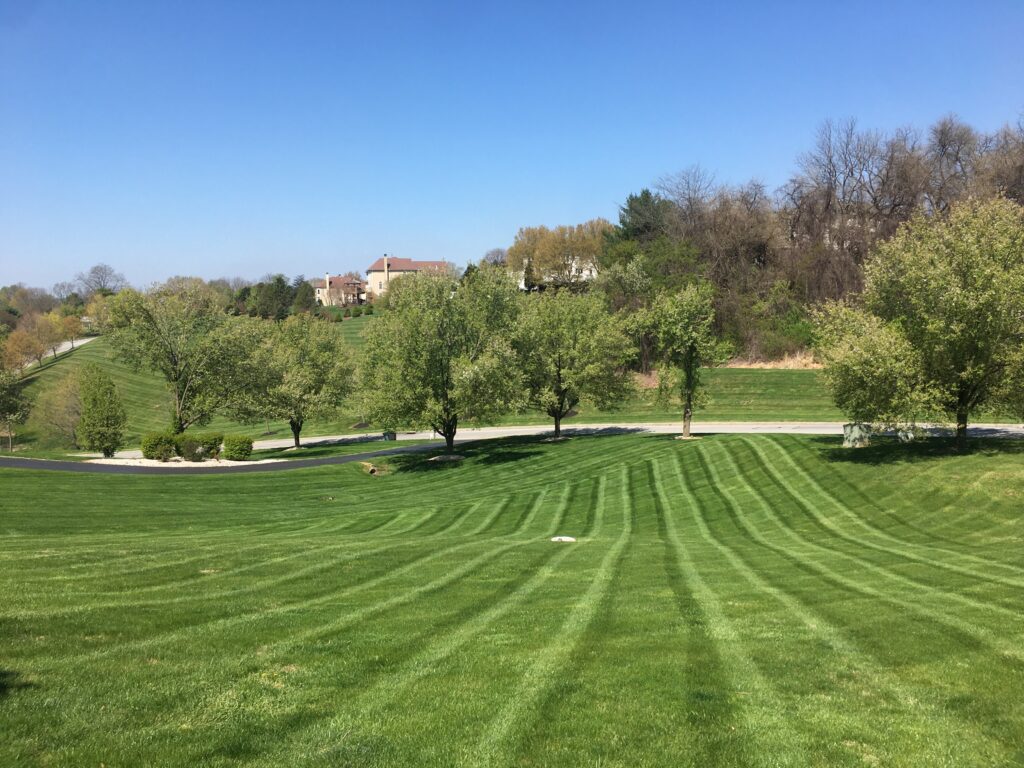
A large lawn is one of the biggest maintenance commitments in any yard.
Reducing unnecessary turf can dramatically cut down on:
- Mowing
- Fertilizing
- Watering
- Edging
Instead of wall-to-wall grass, many homeowners are incorporating mulched planting beds, decorative stone, garden spaces, walkways, or outdoor living areas.
This creates a more intentional landscape while reducing routine lawn maintenance.
3. Incorporate Hardscaping
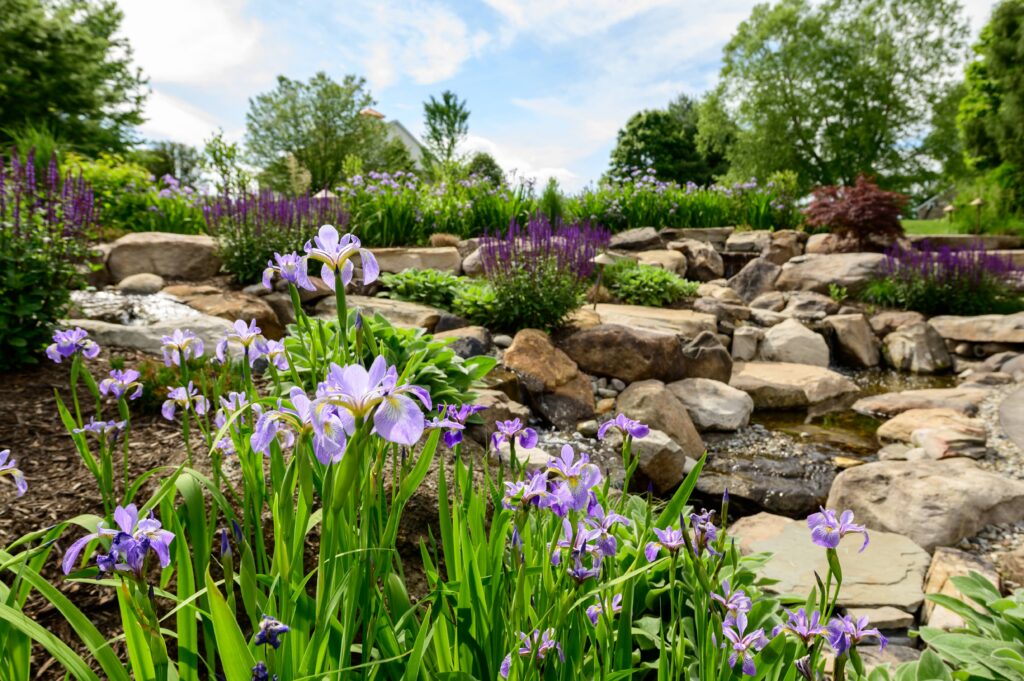
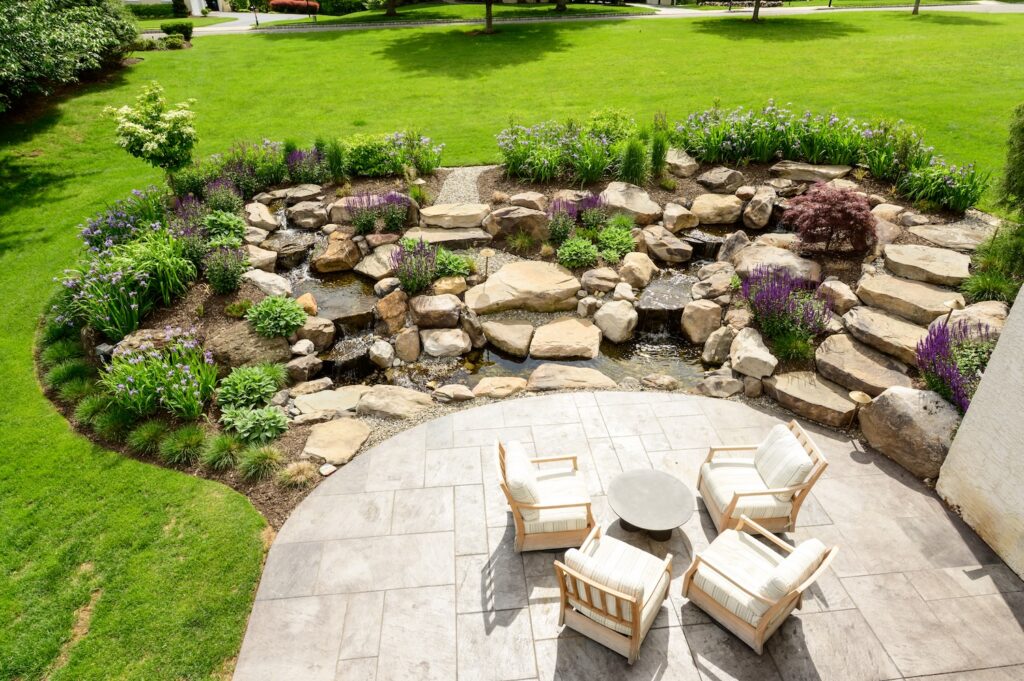
Hardscaping is one of the best ways to create a clean, upscale look with minimal upkeep. Features like patios, retaining walls, walkways, and outdoor living spaces add structure and functionality while reducing the amount of landscape that needs constant maintenance.
Popular hardscape features include:
- Paver patios
- Walkways
- Retaining walls
- Seating areas
- Outdoor entertaining spaces
Professional hardscape installation not only improves usability but also boosts long-term curb appeal.
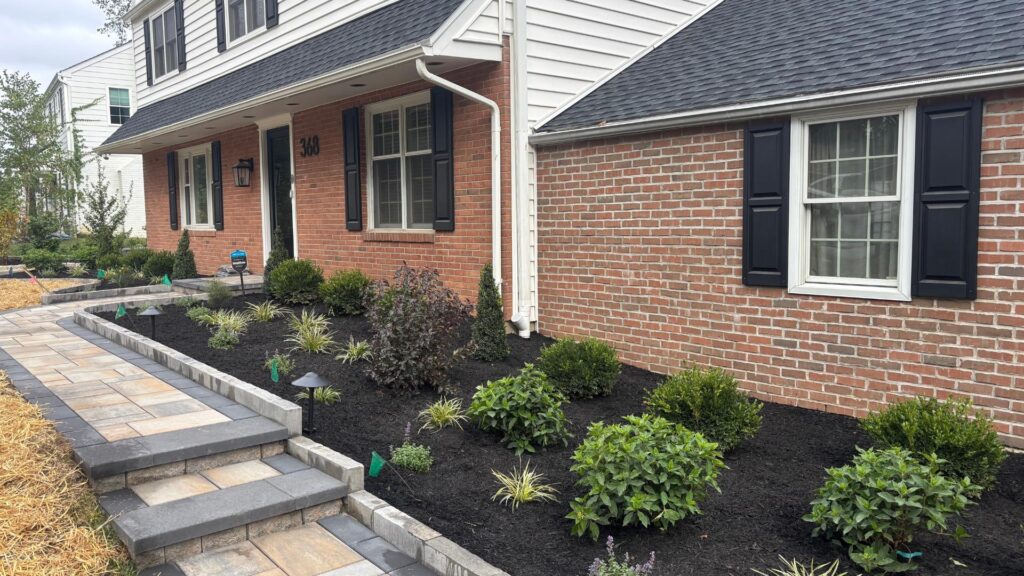
4. Use Mulch to Simplify Maintenance
Mulch does more than improve appearance; it plays a major role in reducing maintenance.
Benefits of mulching include:
- Moisture retention
- Weed suppression
- Soil temperature regulation
- Improved soil health
- Cleaner-looking planting beds
Fresh mulch instantly makes a property look well-maintained while helping reduce ongoing garden maintenance.
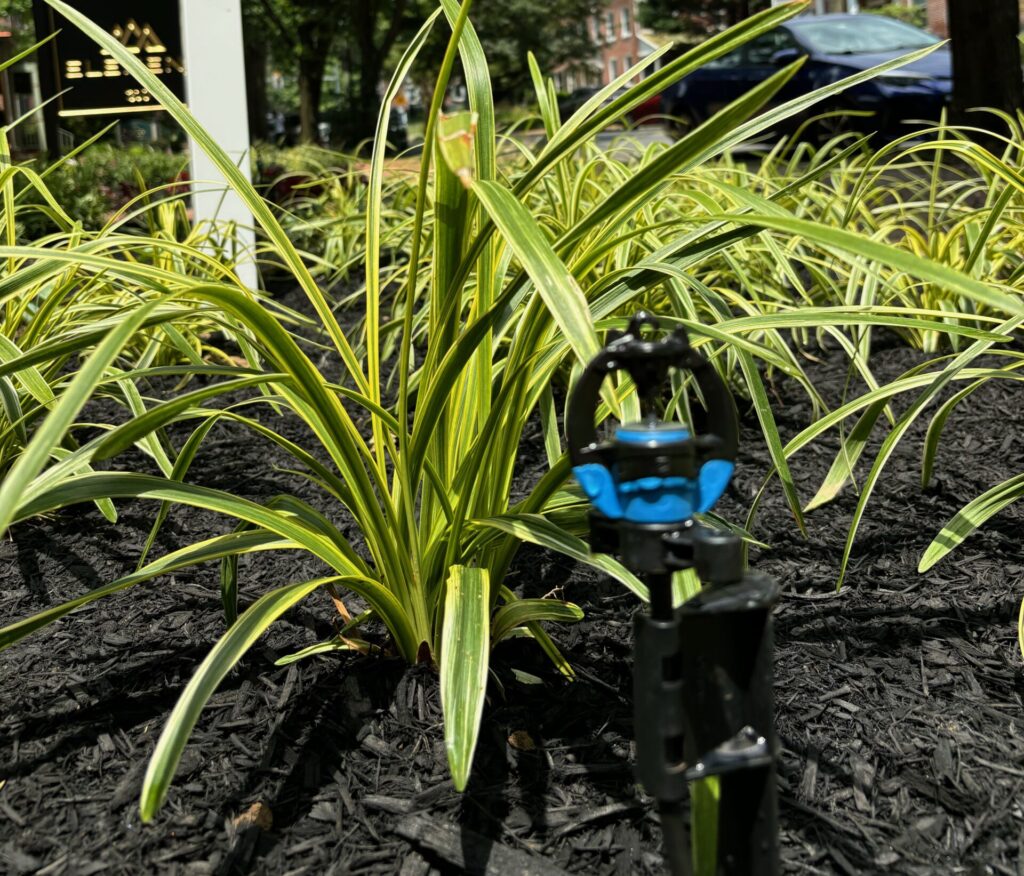
5. Install Efficient Irrigation Systems
Manual watering is time-consuming and inconsistent. Smart irrigation systems and drip irrigation can deliver water more efficiently while helping plants stay healthier.
Professionally installed irrigation systems help:
- Reduce water waste
- Maintain consistent moisture levels
- Prevent overwatering
- Simplify property care
Many homeowners choose to pair irrigation systems with landscape maintenance plans to keep their property looking consistent year-round.
Low-Maintenance Doesn’t Mean Boring
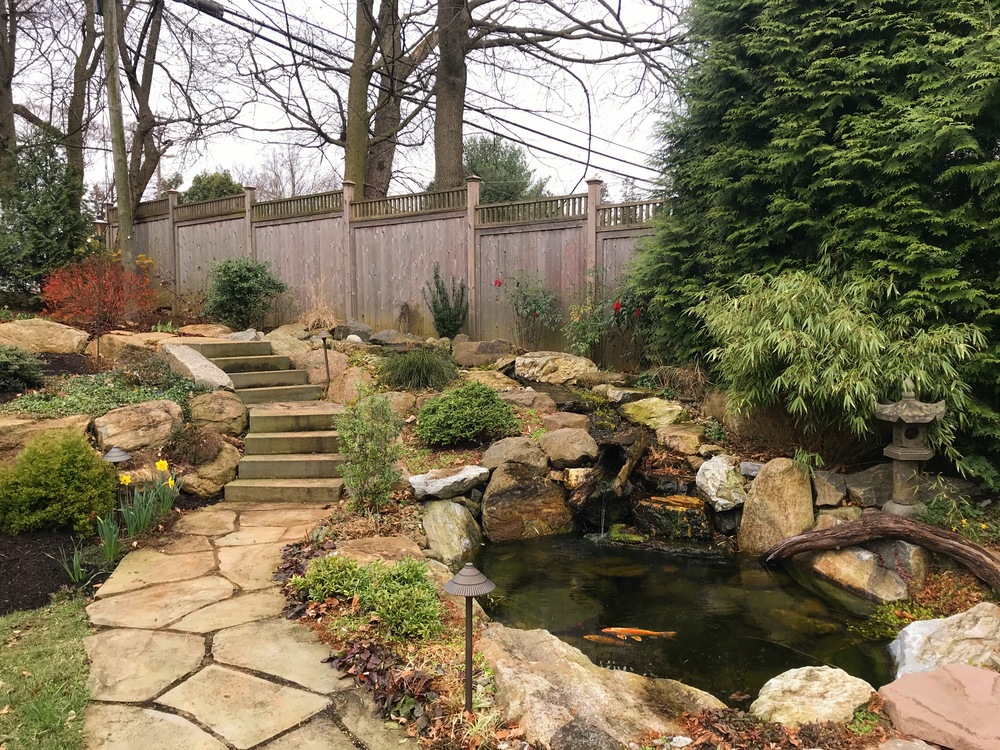
One of the biggest misconceptions about low-maintenance landscaping is that it looks plain or uninspired. In reality, thoughtful design can make it even more visually appealing than traditional yards.
Layered Planting
Using a mix of heights, textures, and colors creates depth and interest without adding maintenance. For example, ornamental grasses, shrubs, and perennials can provide year-round appeal.
Defined Edges
Clean, defined borders between lawn, beds, and hardscaping give your yard a professional finish and are small details that make a big visual impact.
Seasonal Interest
Choose plants that bloom at different times of the year to keep your landscape looking fresh without constant replanting.
Outdoor Living Spaces Add Functionality
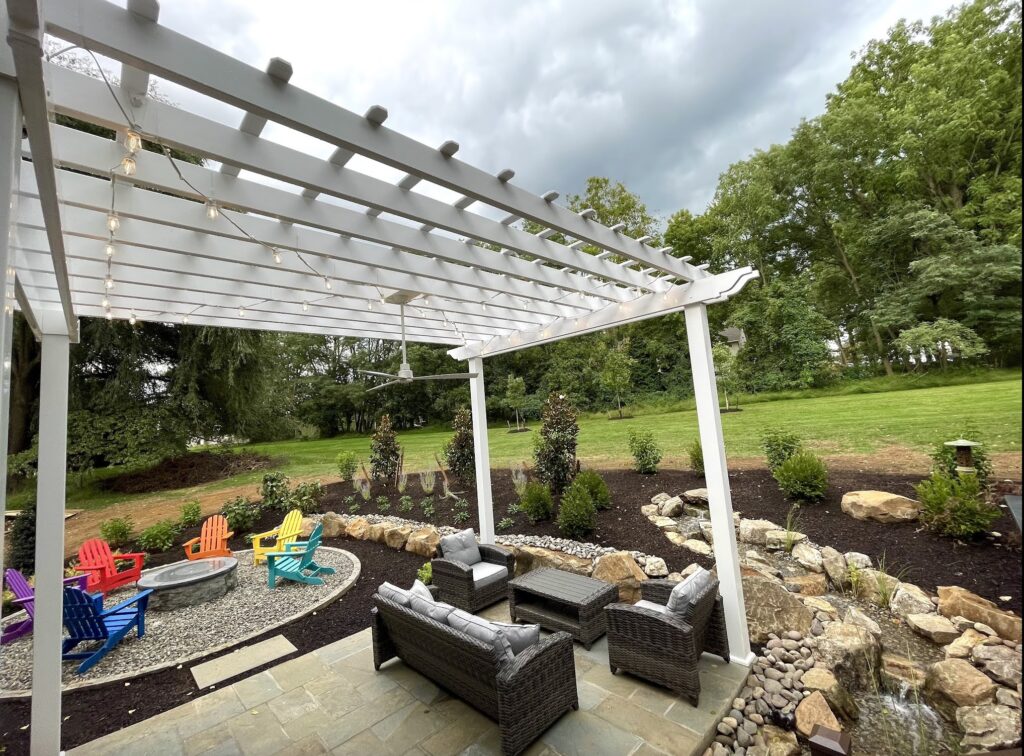
Modern landscaping is about more than plants. Outdoor spaces that encourage relaxation and entertaining can make your property feel more usable and inviting.
Features like patios, seating areas, lighting, and walkways help create a landscape that looks complete while requiring far less maintenance than large lawn areas.
Smart Lawn Care Strategies for Less Work
If you still want a lawn, there are ways to reduce the amount of maintenance required.
Simple lawn care strategies include:
- Choosing durable grass varieties
- Mowing at a higher height
- Improving soil health
- Using seasonal lawn treatments
- Aerating annually
- Maintaining proper watering schedules
Professional lawn care services can also help homeowners maintain a healthier lawn with less effort throughout the growing season.
Why Professional Landscaping Matters
While DIY landscaping can work for smaller projects, professional planning often delivers better long-term results, especially when designing for low maintenance.
A professional landscaping team can help:
- Create a cohesive landscape plan
- Select durable, lower-maintenance materials
- Design functional outdoor spaces
- Install efficient irrigation systems
- Build long-term maintenance strategies
Clean Peak Landscaping offers customized landscape design, maintenance, lawn care, hardscaping, and full property care services throughout Chester County. Their approach focuses on helping homeowners reclaim their outdoor spaces with stress-free, customized solutions.
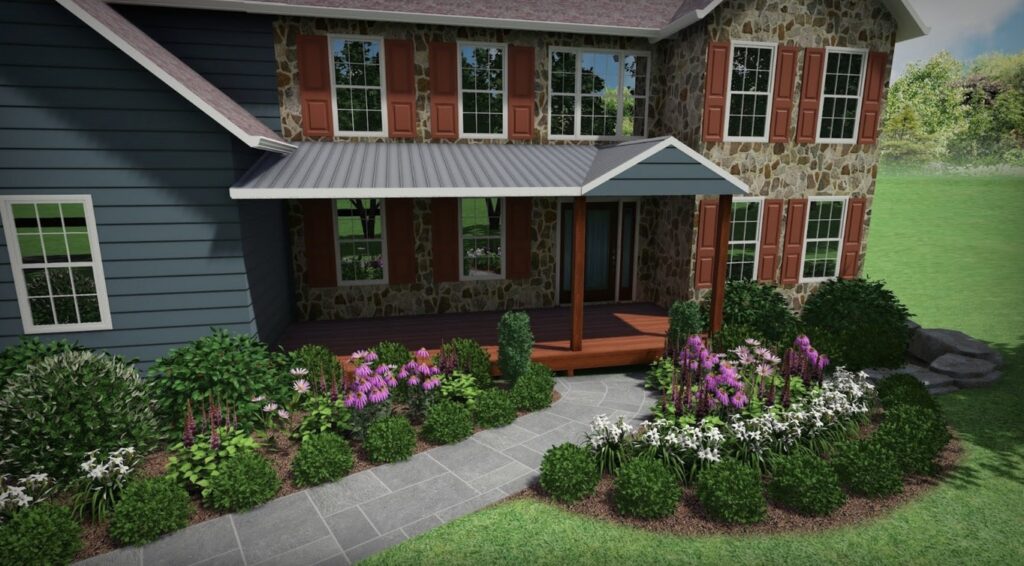
One of our landscape designs, ready to be turned into reality!
Is Low-Maintenance Landscaping Worth It?
Low-maintenance landscaping often requires a larger upfront investment, but it can reduce long-term maintenance costs while saving homeowners time and effort.
Typical landscaping costs may include:
- Landscape design and planning: $500–$5,000+
- Plant installation and garden beds: $1,000–$10,000+
- Mulching and edging: $500–$2,500+
- Irrigation systems: $2,000–$6,000+
- Paver patios and walkways: $3,000–$15,000+
- Retaining walls and hardscaping: $5,000–$20,000+
The total cost depends on property size, materials, and the project’s complexity. While features like patios, retaining walls, and outdoor living spaces may cost more initially, they help reduce long-term lawn maintenance and improve functionality.
Over time, low-maintenance landscaping can help lower water usage, lawn care expenses, seasonal planting costs, weed control needs, and general upkeep and maintenance.
Efficient irrigation systems, durable hardscaping materials, and carefully selected plants all help reduce maintenance requirements throughout the year.
Common Mistakes to Avoid
Even well-intentioned landscaping choices can create unnecessary upkeep.
Some common mistakes include:
- Overplanting garden beds
- Choosing plants that require constant pruning
- Installing oversized lawn areas
- Ignoring drainage issues
- Skipping mulch applications
- Poor irrigation planning
- Lack of defined landscape zones
Avoiding these issues early can save significant time and maintenance costs later.
What to Know Before You Begin
Low-maintenance landscaping isn’t about doing less; it’s about doing things smarter. By choosing the right plants, reducing lawn size, and incorporating efficient systems, you can create a yard that looks professionally designed without constant upkeep.
If your goal is low-effort lawn care that still delivers standout curb appeal, the key is thoughtful planning and quality execution. Whether you tackle it yourself or work with experienced outdoor services, the result is the same: a beautiful outdoor space that fits your lifestyle, not the other way around.
Ready to get started? Contact us for your free estimate!
Frequently Asked Questions
What is the easiest landscaping to maintain?
Landscaping that uses native plants, mulch, and hardscaping elements is typically the easiest to maintain. These features reduce watering, mowing, and upkeep.
Does low-maintenance landscaping still increase curb appeal?
Absolutely. Thoughtful landscape design often creates a cleaner, more refined appearance than traditional high-maintenance yards.
How often does low-maintenance landscaping need upkeep?
Most low-maintenance landscapes still benefit from occasional seasonal cleanups, trimming, mulching, and lawn care, but significantly less frequent maintenance than traditional yards.
Is hardscaping easier to maintain than grass?
Yes. Patios, walkways, retaining walls, and decorative stone areas require far less upkeep than large lawn spaces.
Should I hire a professional landscaping company?
If you want a landscape that stays functional, cohesive, and easy to maintain long term, working with experienced professionals can help you avoid costly mistakes and achieve better results.
